Effect: Understanding the Economic Consequences of Using Counterfeit Money
Counterfeit money poses a significant threat to the stability and integrity of an economy. The act of producing and circulating fake currency can have far-reaching effects on various sectors, impacting businesses, consumers, and the overall financial system. In this blog post, we delve into the repercussions of using counterfeit money and shed light on its detrimental effects on the economy.
- Erosion of Trust and Confidence The presence of counterfeit money undermines the trust and confidence that individuals and businesses have in the monetary system. When fake currency enters circulation, it raises concerns about the authenticity of all money in circulation, leading to a loss of faith in the currency and financial institutions.
- Inflation and Loss of Purchasing Power Counterfeit money increases the money supply artificially, leading to inflationary pressures in the economy. As more
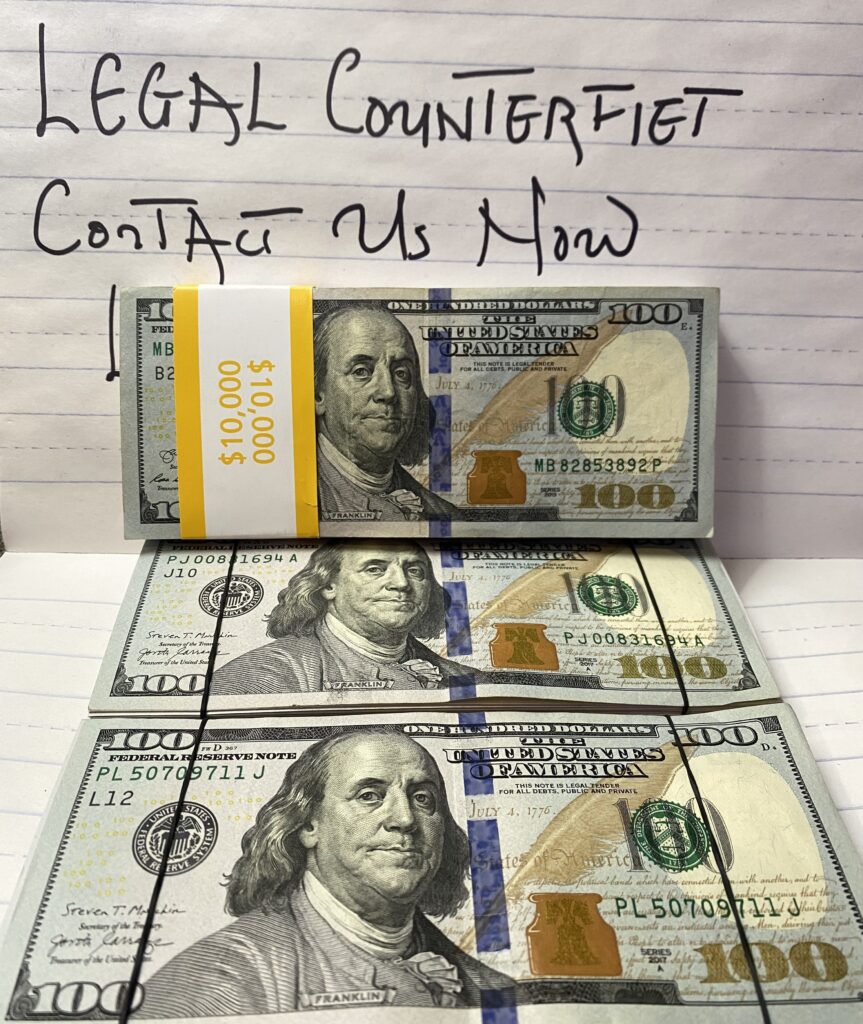
fake USD currency is introduced, the value of genuine money diminishes, resulting in a loss of purchasing power for consumers. Inflation erodes the real wages of workers and reduces the standard of living for the population.
- Distortion of Price Signals The presence of counterfeit money distorts price signals in the economy, making it difficult for businesses to accurately assess market conditions and make informed decisions. Prices may rise or fall artificially due to the influx of fake currency, leading to market inefficiencies and misallocation of resources.
- Undermining Financial Stability Counterfeit money poses a threat to the stability of the financial system by creating uncertainty and volatility in the markets. The circulation of fake currency can disrupt the functioning of banks, payment systems, and other financial institutions, jeopardizing the overall stability of the economy.
- Loss of Tax Revenue The use of counterfeit money results in a loss of tax revenue for governments, as transactions conducted with fake currency evade taxation. This reduction in tax revenue hampers government spending on essential services and infrastructure, affecting the overall economic development of a country.
- Impact on Businesses and Consumers Businesses that unwittingly accept counterfeit money incur financial losses and damage to their reputation. Consumers may also suffer losses if they unknowingly receive fake currency in transactions, leading to distrust in the monetary system and reluctance to engage in economic activities.
- Legal and Regulatory Consequences Individuals involved in the production, distribution, or use of counterfeit money face legal repercussions, including fines, imprisonment, and criminal charges. Law enforcement agencies work diligently to combat counterfeiting activities and protect the integrity of the monetary system.
In conclusion, the effects of using counterfeit money in the economy are profound and multifaceted, impacting various aspects of financial stability, trust, and economic growth. It is essential for governments, businesses, and individuals to remain vigilant against counterfeit currency and take proactive measures to combat its circulation. By understanding the consequences of counterfeit money, we can collectively work towards safeguarding the integrity of the economy and preserving the trust in our financial systems.


Comments
Post a Comment